
Renovating your home can completely change how a room looks and functions. New flooring, updated cabinets, fresh drywall, and modern finishes can make your property feel brand new.
But once construction is finished, some of the mess may remain hidden.
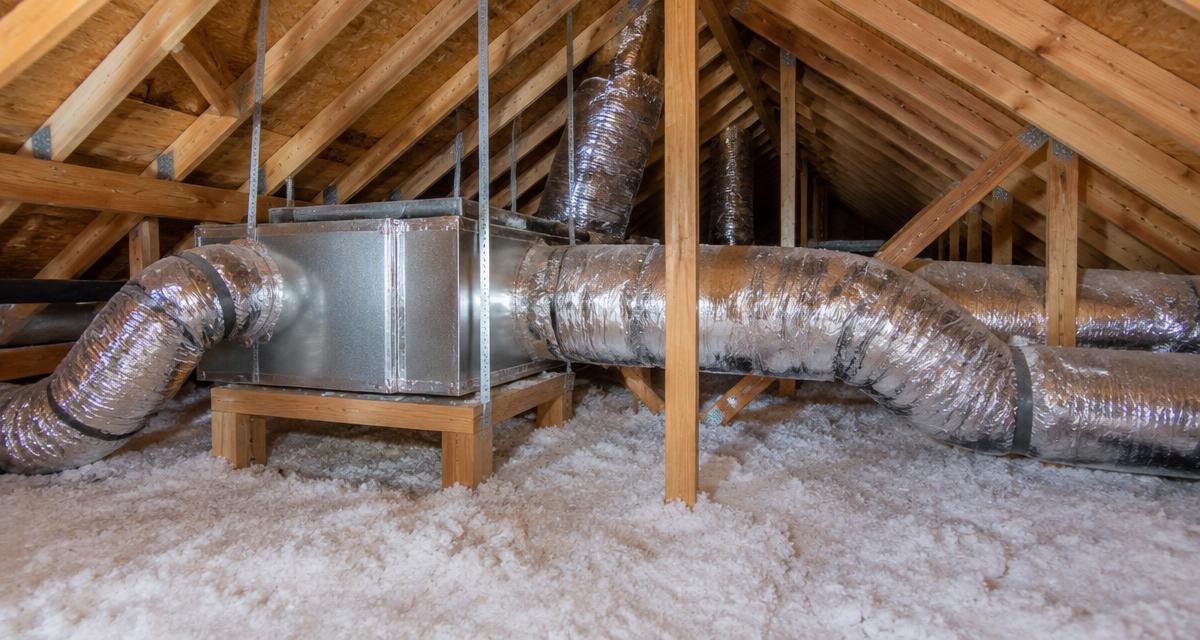
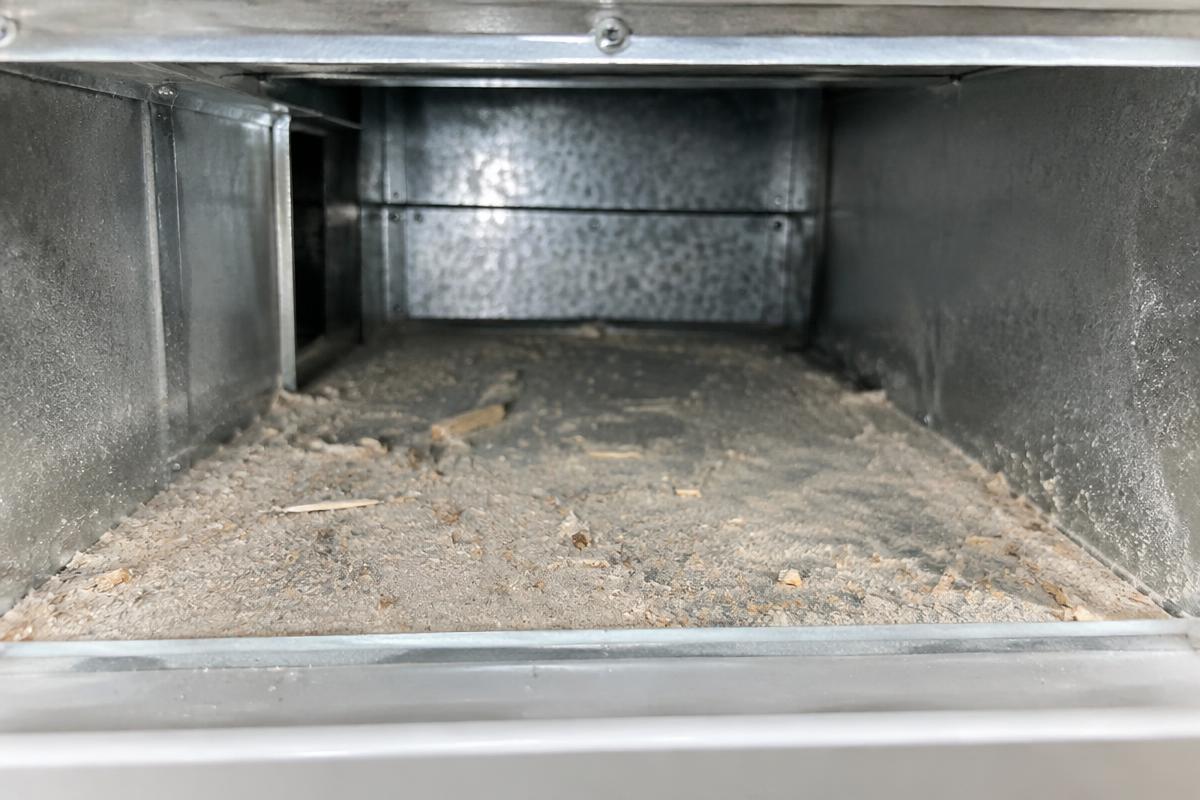
Dust and debris from remodeling projects can enter heating and cooling ductwork, especially when registers remain uncovered or the HVAC system operates during construction.
For homeowners in Owasso, Jenks, Bixby, and the greater Tulsa area, checking the duct system is a useful part of the post-renovation cleanup process.
Can Remodeling Dust Get Inside Air Ducts?
Yes. Construction activities can release fine particles that travel through the home and sometimes enter the HVAC system.
Common sources include drywall sanding, wood cutting, flooring removal, tile installation, and demolition.
Supply registers located in floors are particularly vulnerable when construction materials fall directly into their openings.
Return vents can also draw airborne dust toward the HVAC system when it is operating.
Even after contractors clean the floors and surfaces, debris may remain inside portions of the ventilation system.
Which Renovation Projects Create the Most Duct Debris?
Flooring replacement
Removing and installing flooring can generate sawdust, dirt, adhesive residue, and other debris.
Floor registers should be protected during this work, but they can still collect materials if left uncovered.
Drywall installation and sanding
Drywall dust is fine and can spread throughout the surrounding work area.
If return vents are not protected, this dust may enter the system.
Kitchen remodeling
Cabinet installation, countertop work, and wall modifications can create dust and small construction particles.
Major interior demolition
Removing walls, ceilings, or older interior materials can release significant amounts of debris.
Older buildings may also contain hazardous materials. Suspected asbestos or lead contamination must be evaluated and handled by appropriately qualified specialists, not treated as ordinary duct-cleaning debris.
Does Every Renovated Home Need Duct Cleaning?
Not necessarily.
The Environmental Protection Agency does not recommend routine duct cleaning for every home. Instead, homeowners should consider the actual condition of the system.
A renovation increases the reason to inspect the ducts, but cleaning is most justified when significant debris has accumulated or visible contamination exists.
If contractors properly sealed the vents, kept the HVAC system off during dusty work, and thoroughly cleaned the area afterward, the duct system may be in good condition.
The best approach is to assess the evidence rather than automatically scheduling cleaning.
Signs Your Ductwork May Need Attention After Remodeling
Consider professional evaluation if:
- Construction debris is visible inside registers
- Significant dust appears when the system starts
- Return openings contain heavy dust accumulation
- Dust repeatedly collects near vents after cleaning
- Construction materials accidentally entered an open duct
- The HVAC filter becomes unusually dirty during or after the project
A dirty filter alone does not prove that the entire duct network requires cleaning, but it is worth investigating.
What Does Post-Renovation Air Duct Cleaning Involve?
Professional duct cleaning is intended to remove accumulated dust and debris from accessible portions of the system.
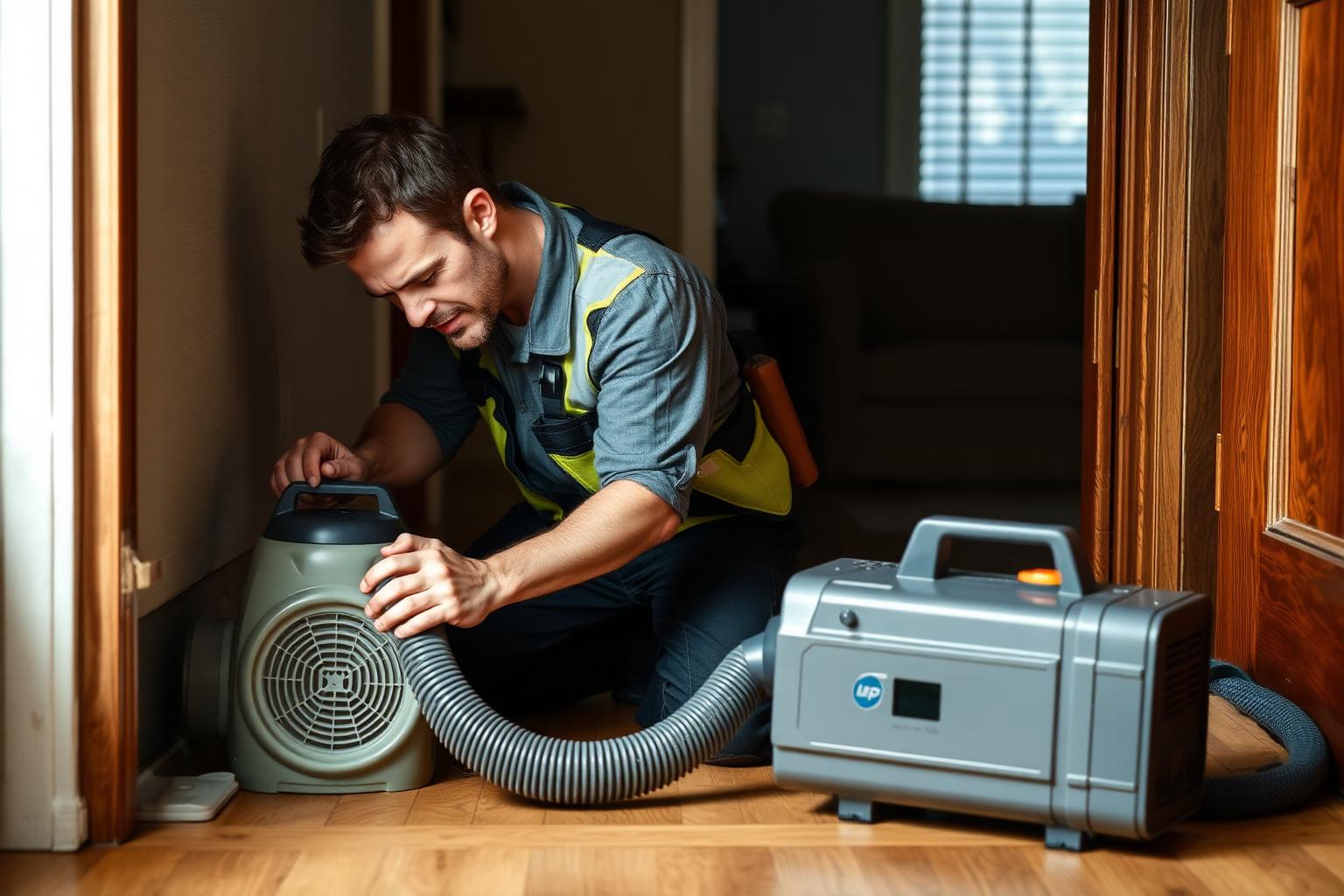
Better Air Duct Cleaning uses high-powered vacuum equipment and compressed-air agitation tools to clean accessible supply ducts, return ducts, and related HVAC components.
The process aims to collect loosened material rather than allow it to spread into living spaces.
Because ductwork may contain different materials and configurations, the cleaning approach should suit the system.
Damaged or disconnected ductwork is a separate problem that may require an HVAC repair contractor.
How to Protect Air Ducts During Your Next Renovation
Prevention is often easier than post-construction cleanup.
Before remodeling begins, ask your contractor how supply and return openings will be protected.
Dust-producing work should be separated from occupied spaces when practical.
Avoid operating the HVAC system while large quantities of dust are being generated, unless an appropriate construction dust-control strategy is in place.
Replace dirty filters as recommended by your HVAC manufacturer and inspect accessible registers after construction.
These simple precautions can reduce the amount of debris reaching your ductwork.
Frequently Asked Questions
Should air ducts be cleaned after drywall work?
Consider an inspection if the drywall work created substantial airborne dust and the registers were not protected. Cleaning may be appropriate when significant debris is present.
Can construction dust damage my HVAC system?
Large amounts of construction dust can clog filters and contaminate HVAC components. A qualified HVAC technician should inspect equipment if performance problems develop.
Is post-renovation duct cleaning different from regular duct cleaning?
The cleaning methods may be similar, but the inspection should focus specifically on construction-related dust and debris.
Schedule Air Duct Cleaning in Owasso, OK
Your renovation should leave your home looking finished, without unnecessary construction debris inside the ventilation system.
Better Air Duct Cleaning provides residential air duct cleaning across Owasso, Jenks, Bixby, Tulsa, Broken Arrow, and nearby communities.
Call 918-732-9834 to discuss your remodeling project and request a free quote.